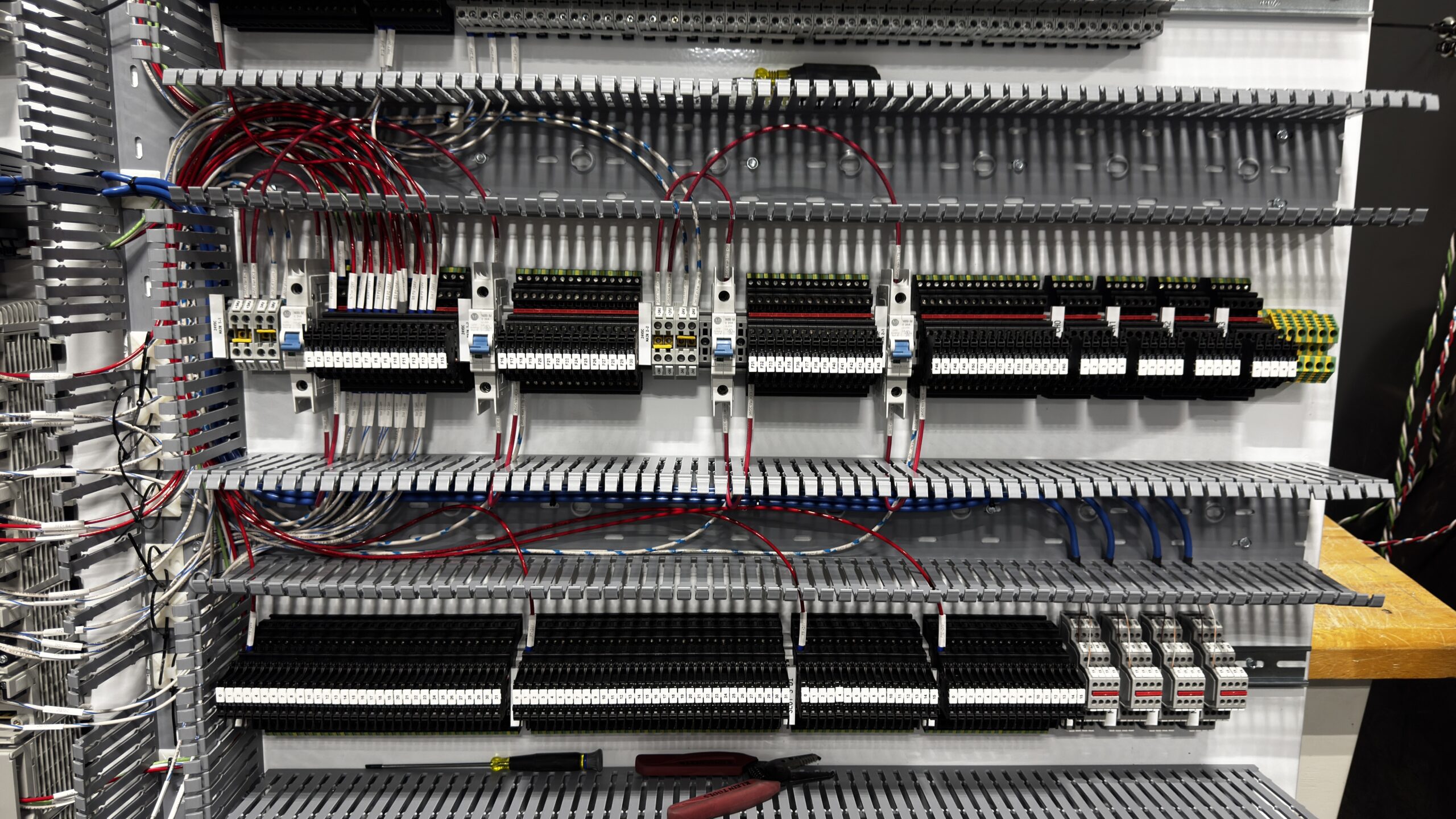
PLC Builds

What is a PLC?

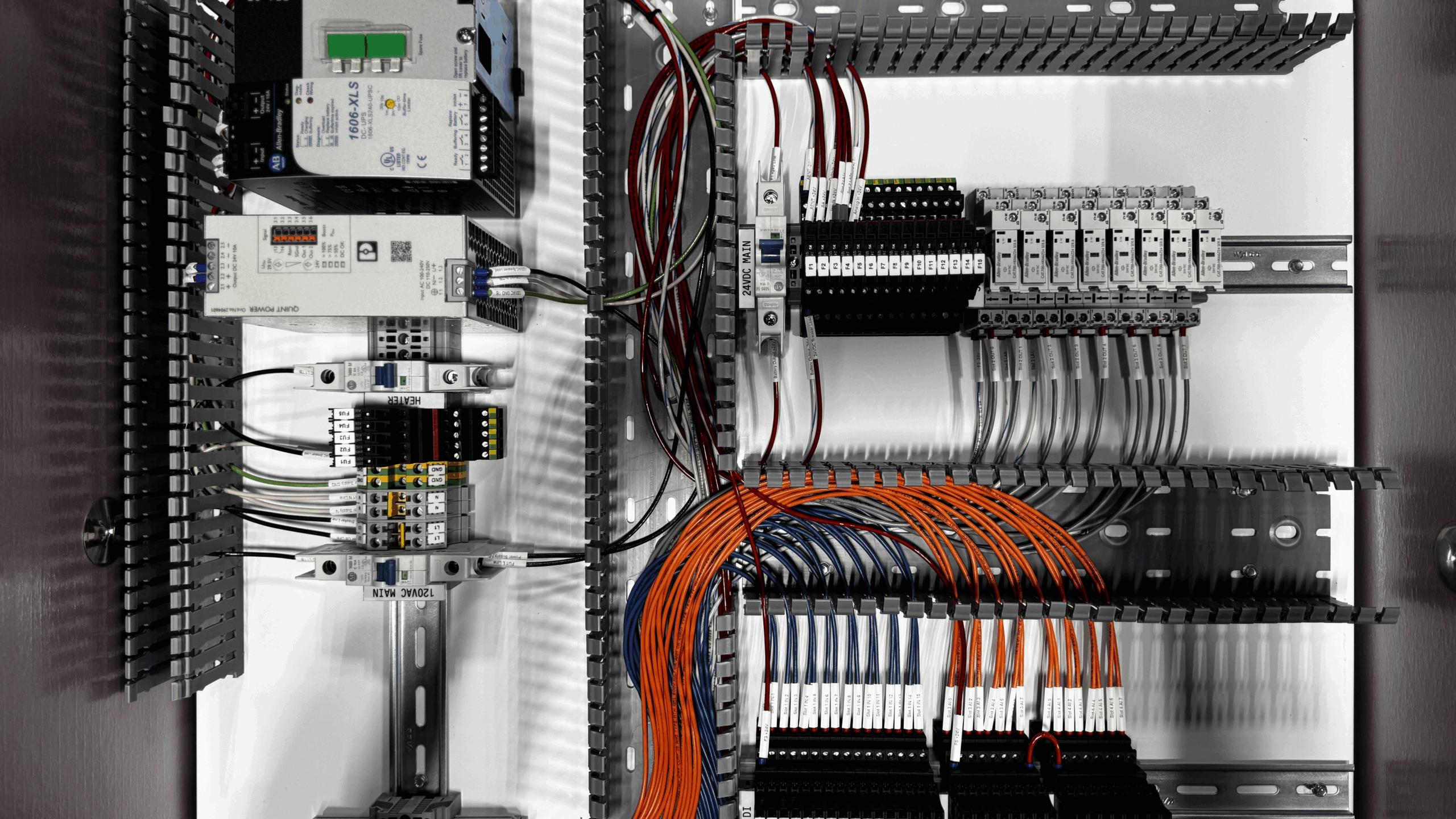
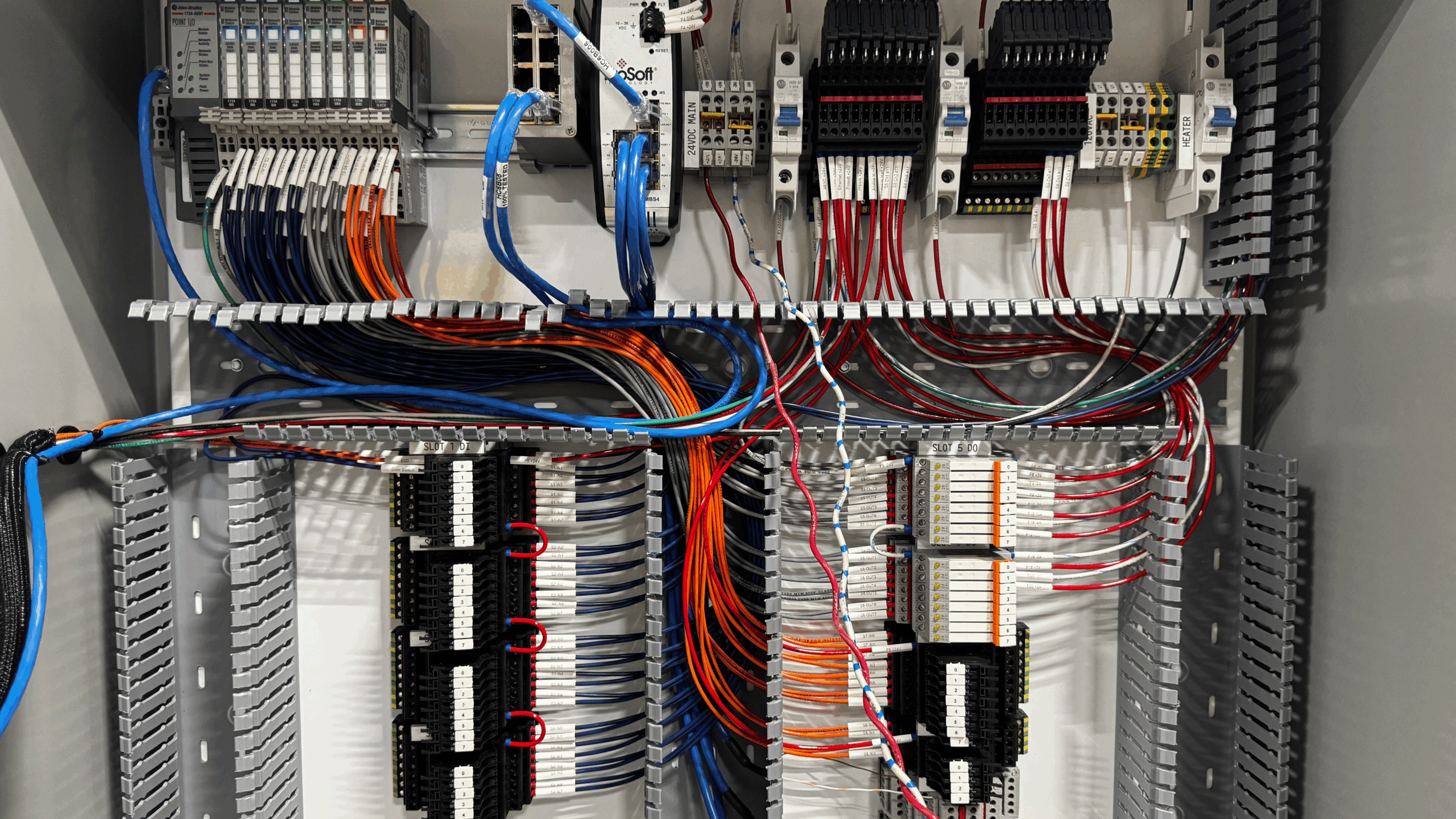
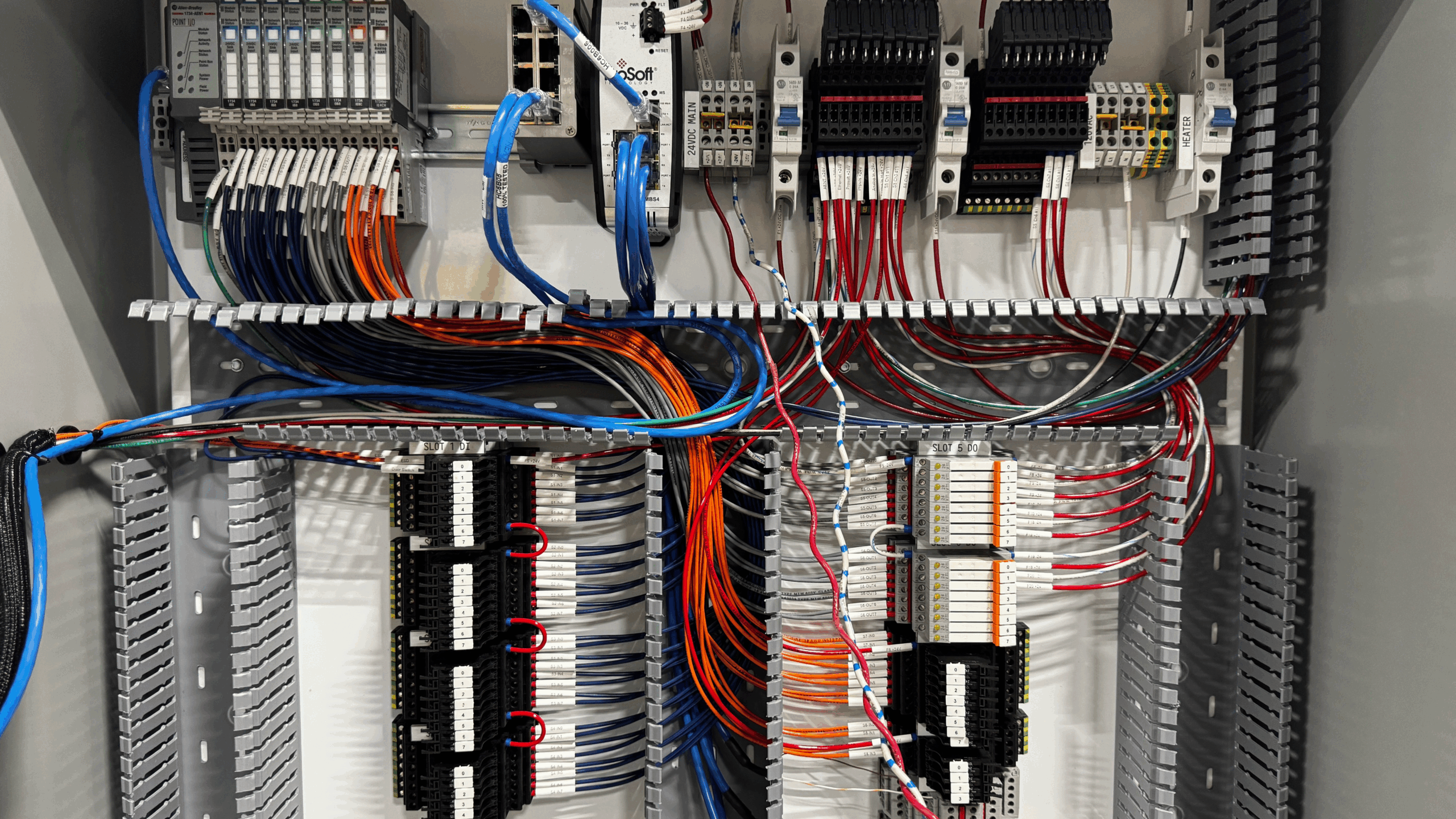
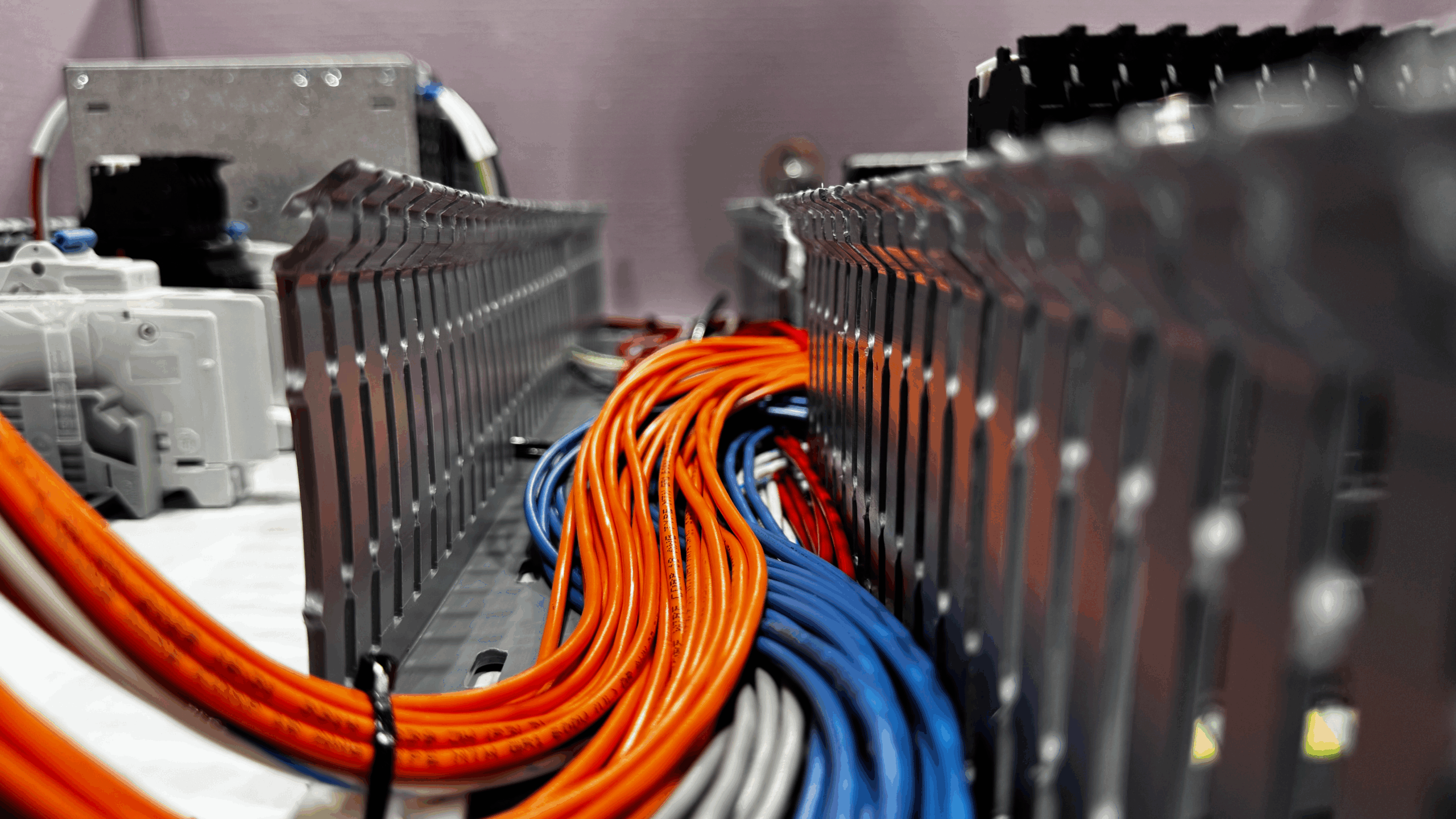
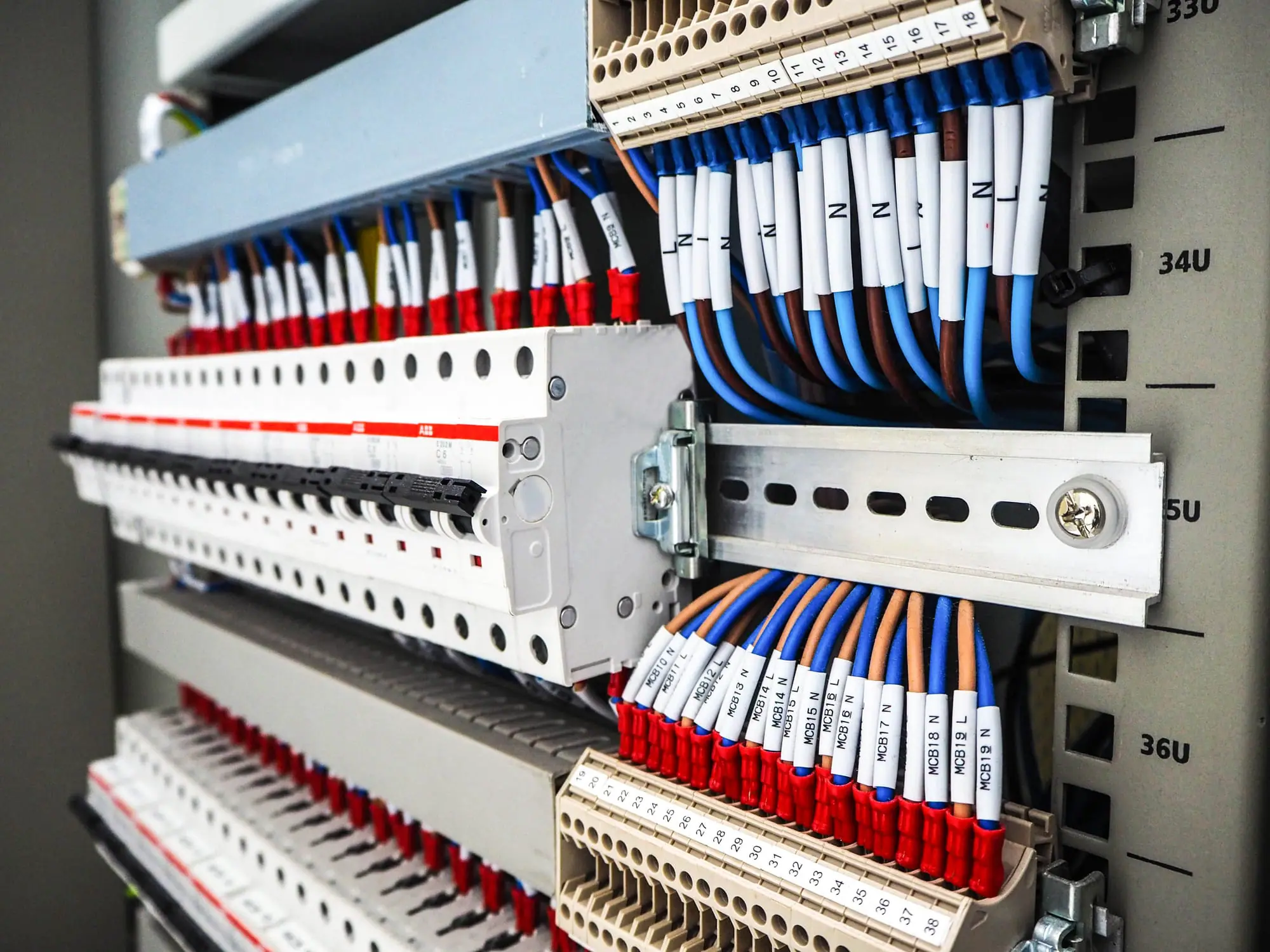
A PLC (Programmable Logic Controller) is a ruggedized industrial computer used to automate machinery and processes in all industries. PLCs are essential for controlling and monitoring equipment efficiently and safely. They receive inputs from sensors (pressure, temperature, flow, level, etc.), process logic programmed by engineers, and send outputs to control devices to ensure safe and efficient operation.

  • Automation of repetitive processes: PLCs can manage drilling rigs, injection skids, or production equipment without constant human intervention.
  • Safety and reliability: They can shut down equipment automatically if unsafe conditions are detected (e.g., overpressure, gas leaks, or electrical faults).
  • Remote monitoring: Many PLCs integrate with SCADA systems, allowing operators to monitor and control equipment from a control room or offsite location.
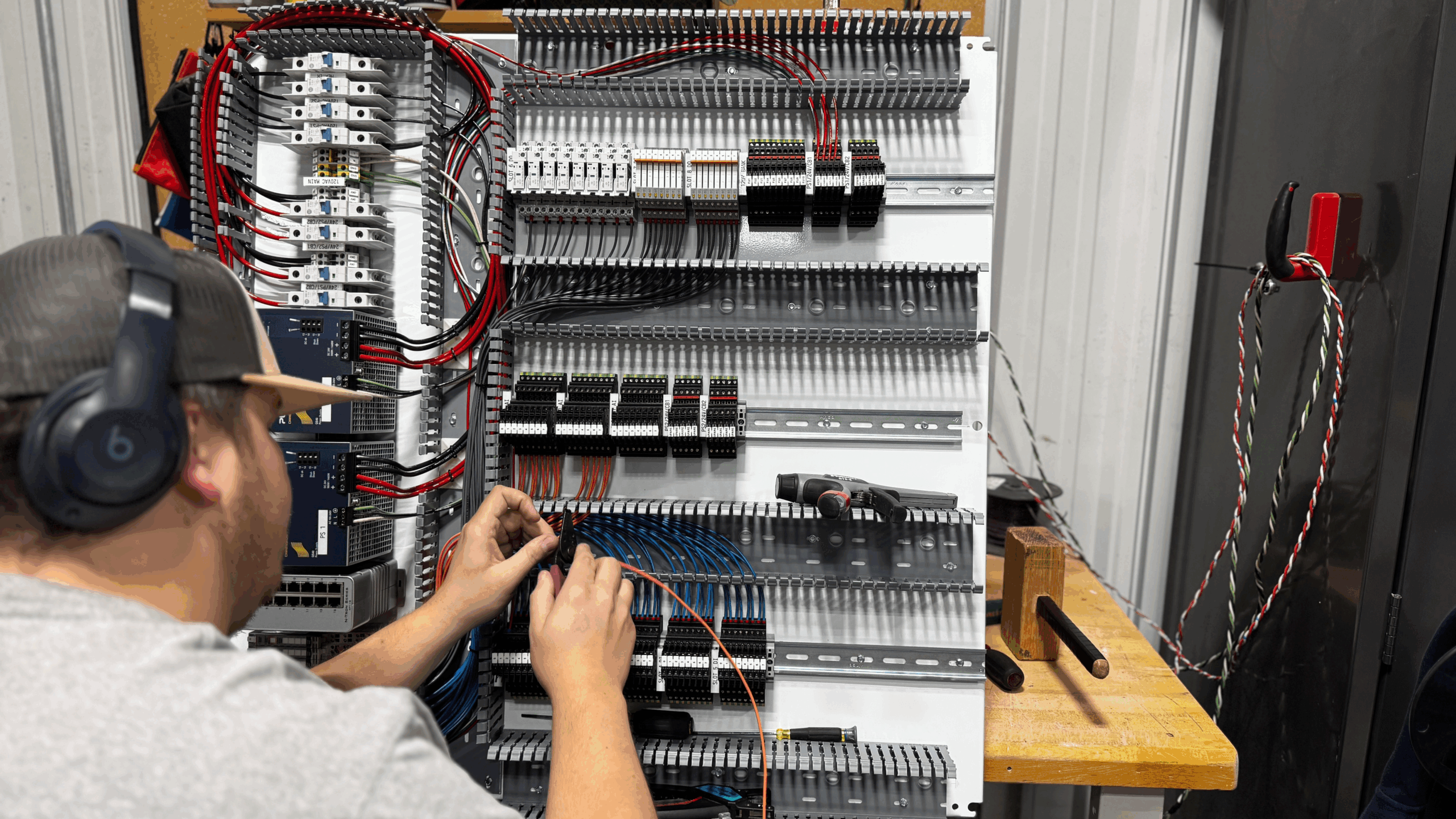
  • Customizability: PLC programs can be tailored for each skid, pump station, or process, making them ideal for the varied needs of all automation.

A PLC to suit your specific scenario

  • Compact (or Micro) PLCs Use case: Ideal for small, standalone machine applications like a chemical injection skid or a small pump station. Controls a few inputs/outputs with limited complexity.
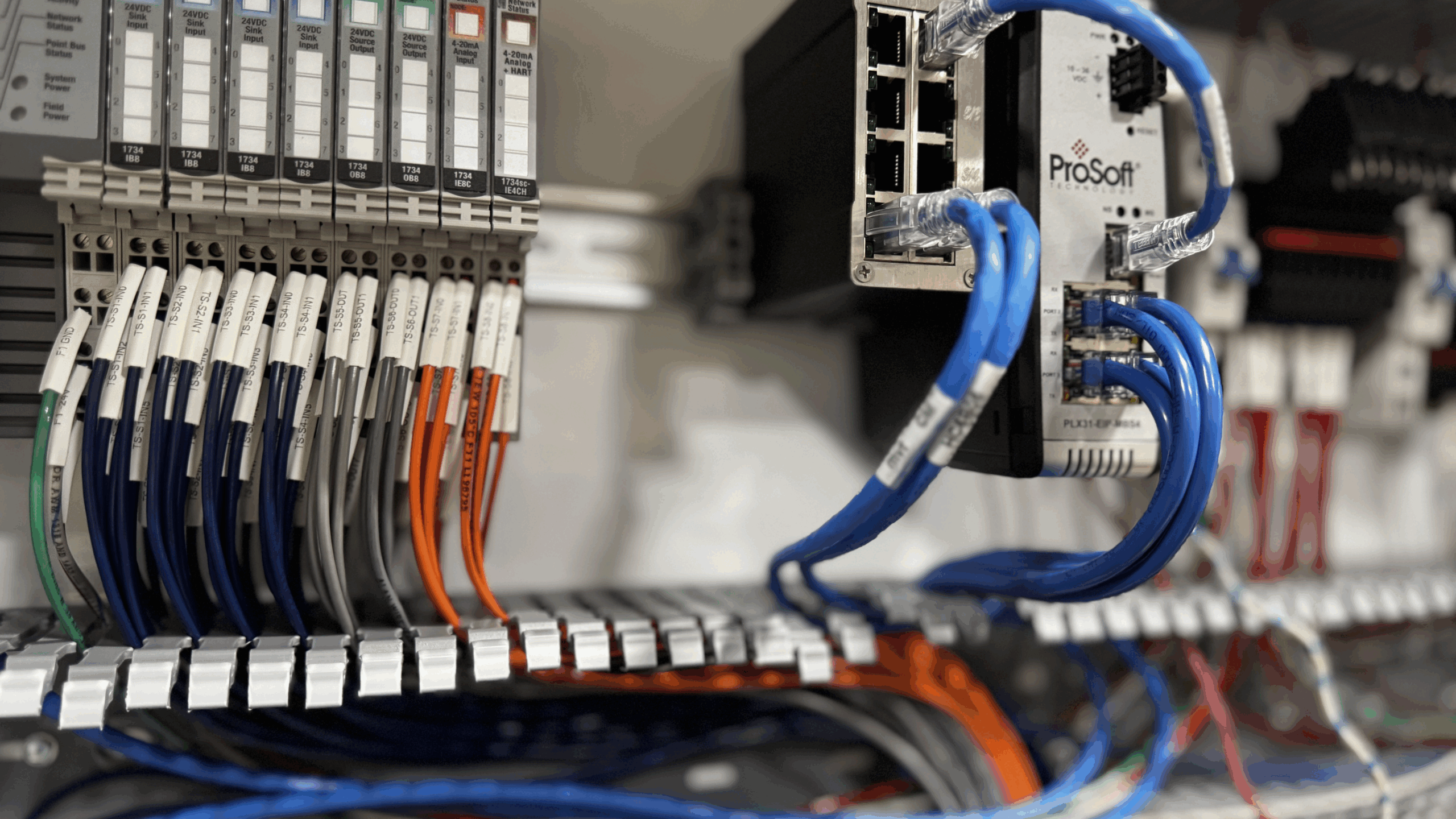
  • Modular PLCs Use case: Used in larger production facilities. Modules can be added for extra I/O, communication, or specialty functions like analog control and safety interlocks.
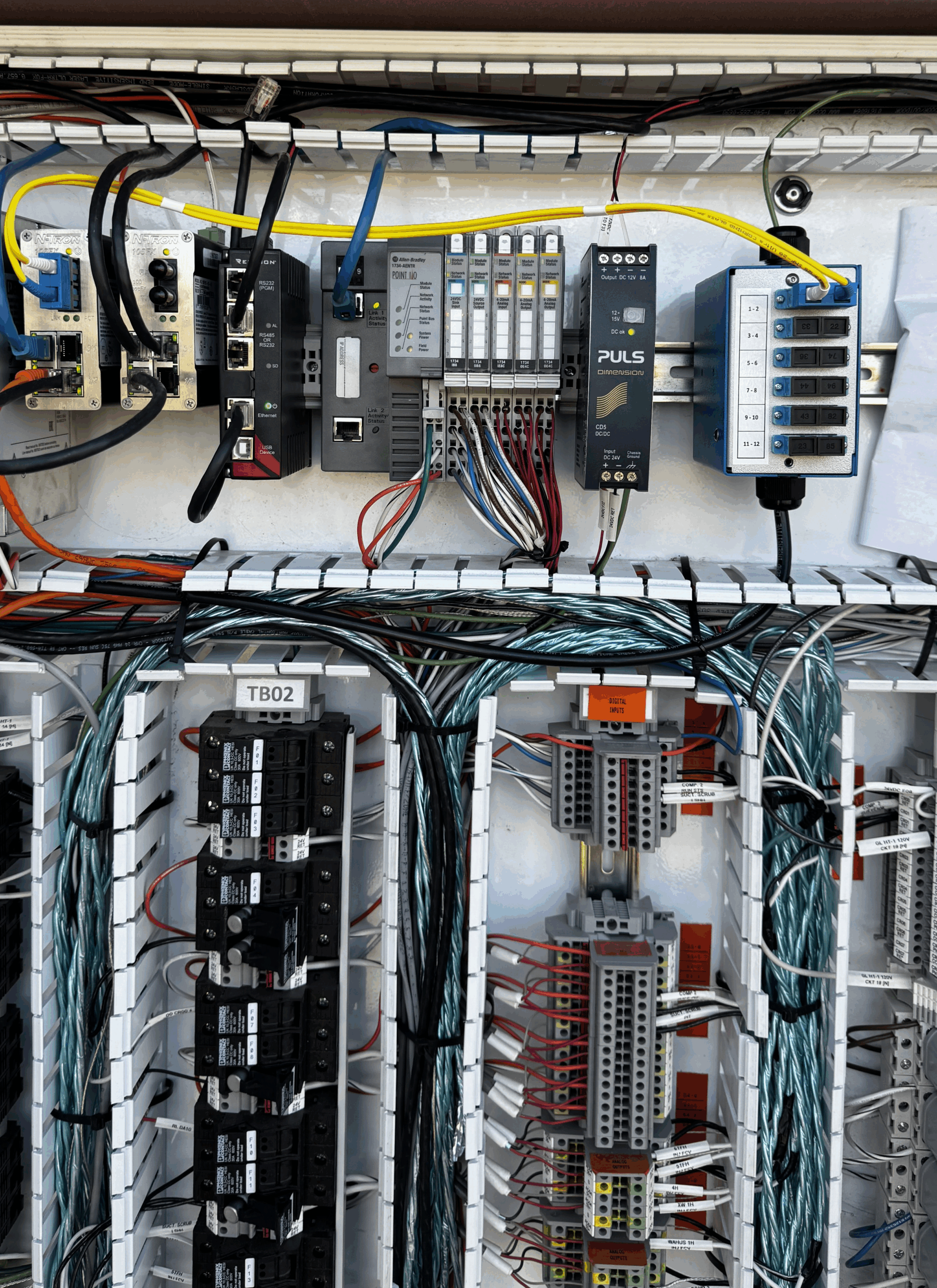
  • Rack-Mounted / High-End PLCs Use case: Suited for large automation systems such as an entire processing plant or multi-skid automation with SCADA integration. Handles high-speed control, complex logic, and multiple networked devices.

Which system is right for my application?

Choosing the right PLC system for your application depends on the scale, complexity, and criticality of the process you need to control.

Regardless of the application—we provide flexible automation solutions designed to optimize performance, ensure safety, and simplify operation across the full spectrum of systems.